Supermarkets, retail stockrooms & night fill
Retail & supermarket manual handling training
Online manual handling training for night fill, stockroom and delivery work — roll cages, bottom shelves and drink slabs, done without wrecking your back.
Go straight to the assessment
Trained before? Answer 20 real warehouse scenarios — no time limit. Score 75% and your certificate is issued the same day.
Start the assessmentLearn first, then the assessment
8 short modules on lifting, carrying, pushing and pulling, about 55 minutes. Free, and your progress is saved as you go.
Start the free courseEither way you pay $39 only after you pass · unlimited attempts · no account needed
Course & assessment
Free
Certificate
$39 one-off
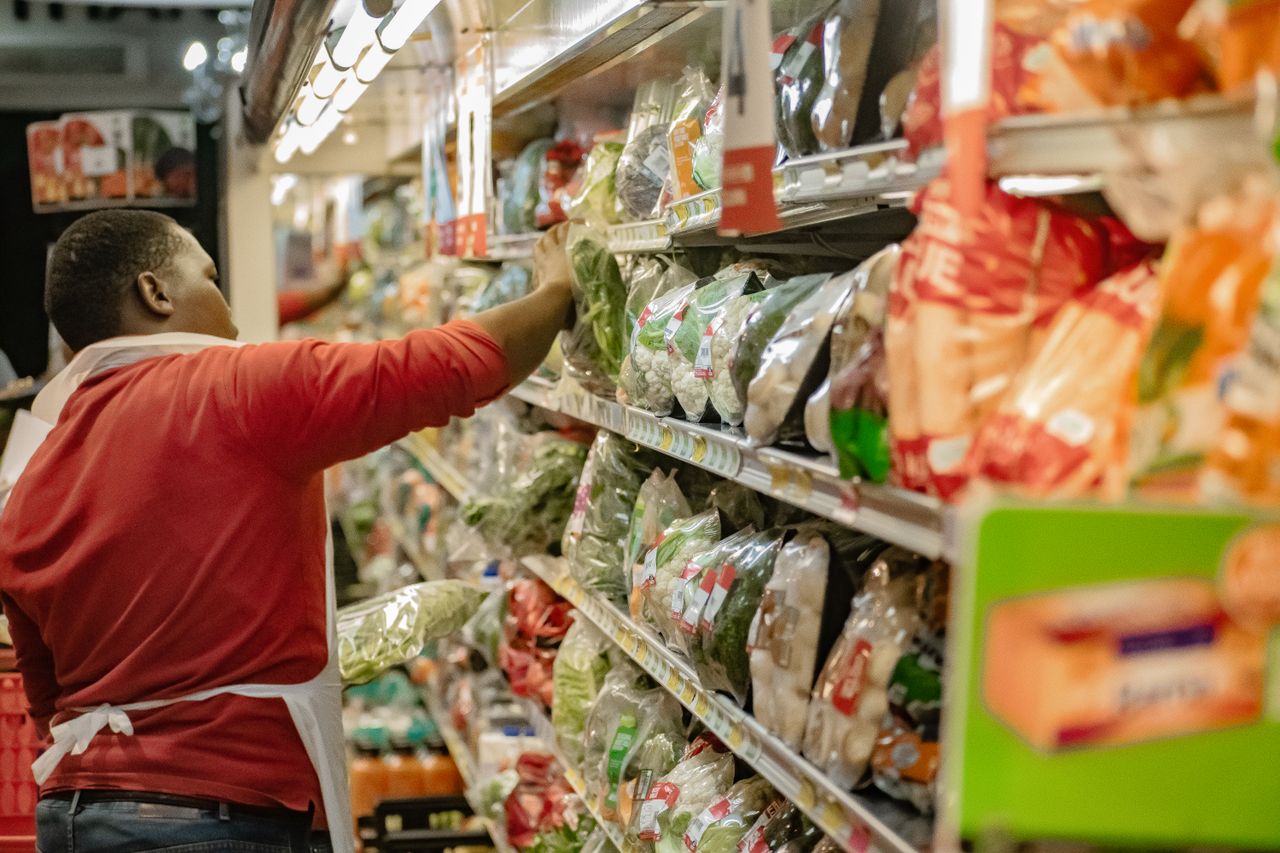
Why the back of a shop is different
A small warehouse, with the shop in the way
Retail stock work is warehouse work squeezed into less space, against the clock, with shelving built for selling. The loads are ordinary. The conditions are what turn them into injuries.
Roll cages in tight aisles
A loaded cage can weigh more than you do, and the stockroom door, the cool room ramp and the shop floor all have a lip, a turn or a person in the way. Most of the effort goes into starting and stopping it, not moving it.
Bottom shelves and top shelves
Shelving is set for shoppers to see, not for you to fill. Bottom-shelf faces mean stooping hundreds of times a shift; top shelves mean reaching above the shoulder with a carton in your hands.
Drinks, pet food and bulk packs
Slabs of cans, 20 kg bags and multi-packs are dense and awkward. They are also the lines that sell fastest, so they are the ones you lift most often.
Night fill is a race
A fixed number of cages and a store that opens at seven. Speed targets are where people stop moving their feet and start twisting from the waist.
Deliveries at the back door
Pallets dropped at the dock, cartons stacked on the floor, a stockroom already full. Double handling — floor to cage, cage to shelf — doubles the lifts.
Customers change the job
You stop mid-carry to answer a question, or hold a carton while someone squeezes past. Holding a load still is harder on your back than moving it.
A night fill shift
The soft drink aisle at 5 am
Last cage of the night: slabs of cans for the bottom two shelves. The cage is parked across the aisle so a customer can get past, which means every slab comes off the cage with a half-turn and goes down to knee height.
What the course would have you notice: the twist comes from where the cage is, not from how you lift. Turning the cage side-on to the shelf takes thirty seconds and removes the twist from every slab after it. Kneel or squat for the bottom shelf instead of stooping, and slide slabs rather than lifting them where you can.
Fully online
Work through it on your phone during a break or on a laptop at home. Nothing to install.
About an hour
Eight short modules with concise, practical content. Stop and resume whenever you like.
Free assessment
20 scenario-based questions. Pass mark is 75%, and you can retry as many times as you need.
Pay only if you pass
Training and assessment cost nothing. The optional certificate is $39 AUD after you pass.
From the free course
Most relevant modules
How it works
Four steps from start to certificate
01
Start the free training
Open module one — no signup, no payment details.
02
Work through 8 modules
Short lessons, warehouse examples and quick knowledge checks.
03
Sit the free assessment
20 multiple choice questions. 75% to pass, unlimited retries.
04
Add a certificate (optional)
Passed? Get your Certificate of Completion for $39 AUD.
Questions
Retail and supermarket questions
Keep reading
Related pages
Who it's for
Where you work
About the training
This is non-accredited general awareness training and does not issue a nationally recognised Statement of Attainment. Always confirm your employer's specific training requirements.
Get your certificate before your next shift
Go straight to the assessment, or learn first with the free course. Pay $39 only when you pass.